LEED, which stands for “Leadership in Energy and Environmental Design”, is a green building certification program managed by the U.S. Green Building Council (USGBC). The goal of the LEED program...
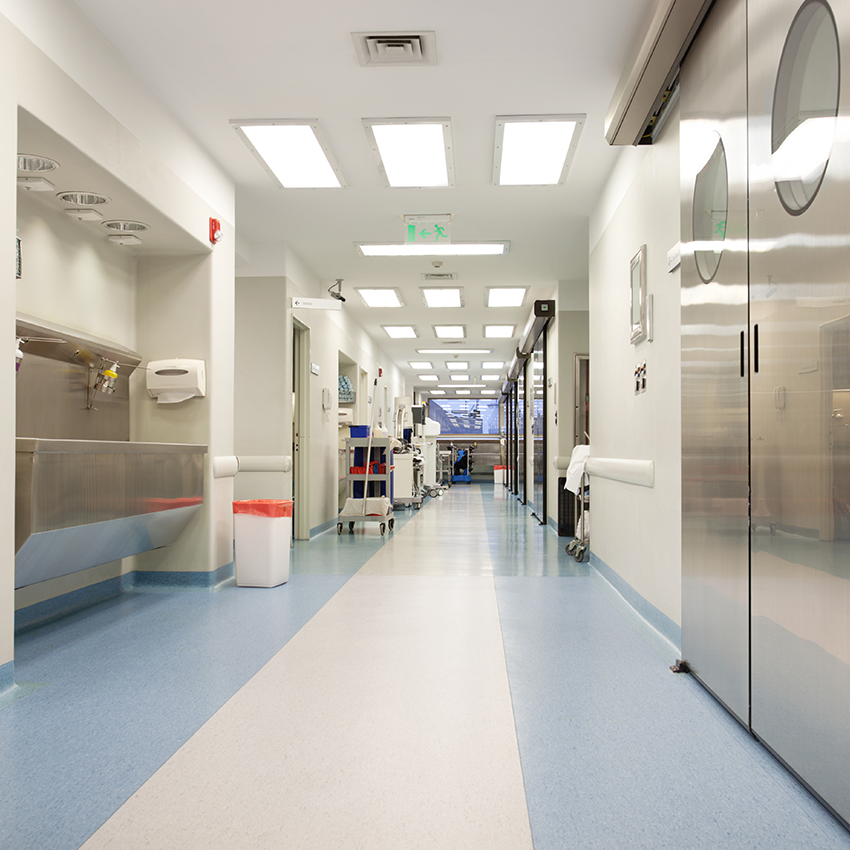
Water is an indispensable part of daily hospital operations. In addition to restrooms, showers, water fountains, and kitchen facilities, hospitals need water for medical sanitation and sterilization. Since medical facilities use...
Understanding where and how all the water in your building is being used is a critical component of responsible facility management. While restrooms and irrigation systems are some of the...
Reducing water waste in your building not only benefits the environment — it also saves money on your overhead costs! Of course, to cut down on water usage, you must...
Facility benchmarking is a process for establishing a standard by which a metric is measured in relation to your building or property. For facility professionals looking to conserve water, electricity,...
From implementing basic water use best practices to installing eco-friendly water conservation technology, here are six ways to not only avoid fines during times of drought — but also save...
Water is the hot-button issue of the 21st century. Suddenly, after decades of viewing water as an almost infinite resource, Americans are beginning to see how truly elusive and immeasurable...
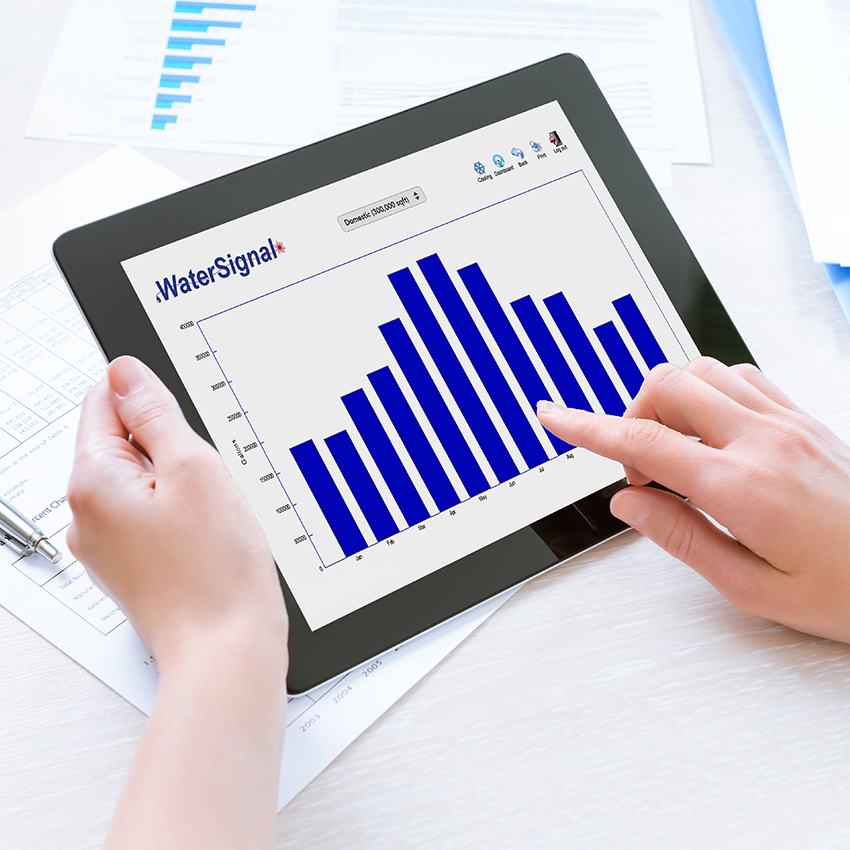
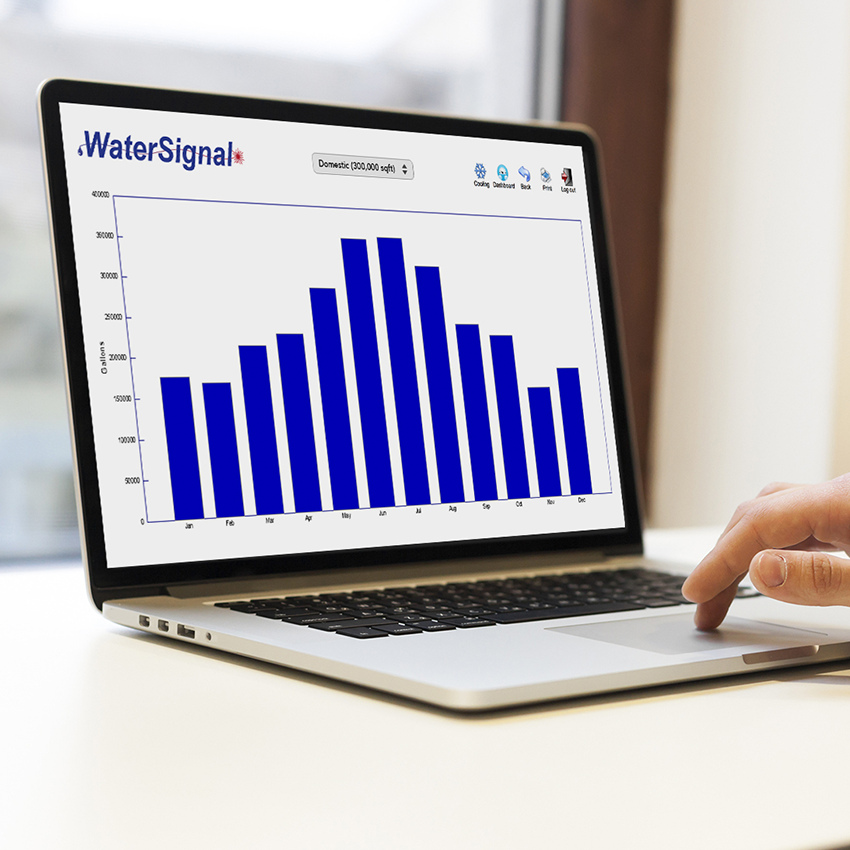
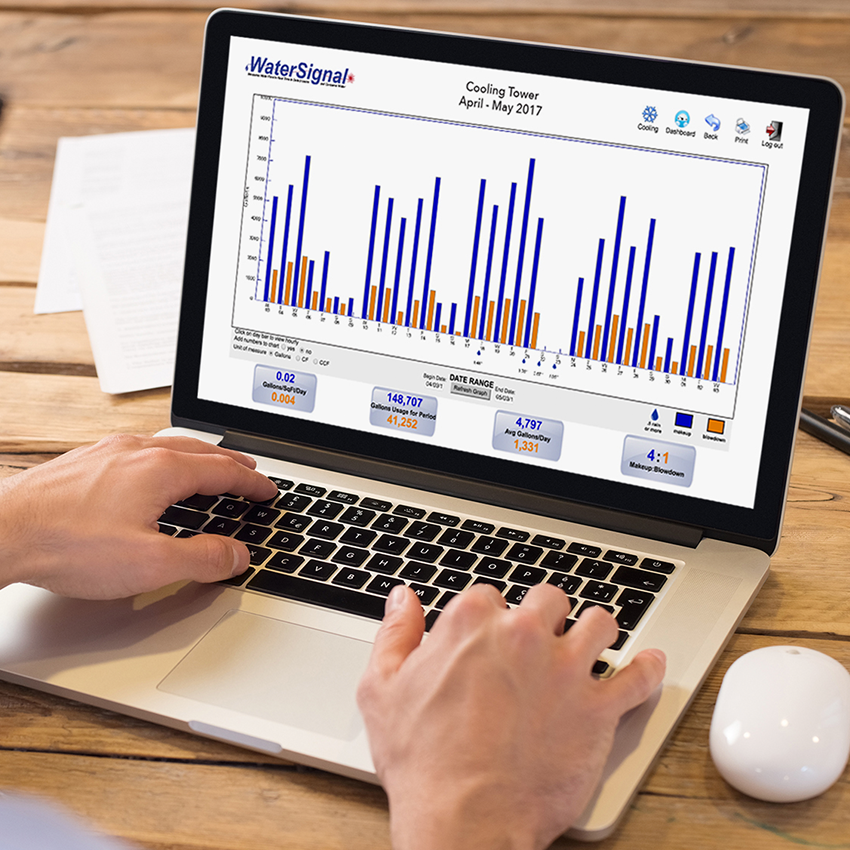
Equipping WaterSignal in schools can save money and improve water delivery thanks to cutting-edge technology that monitors water use in real time and provides instantaneous alerts when leaks or system...
Before the advent of water meters, there were simply connections, and people took as much from a water source as they needed. As more and more people connected their home...
Water, more than any other resource, has become a hot-button issue. Where once countries in the Western world thought, and acted, as though water was a limitless resource, they are...